New Zealand travel planning
New Zealand weather and climate: what to expect each season
New Zealand’s seasons are easy to remember. The conditions for a mountain road, a coastal walk or a city stay take a closer look. Here is what to check before you go.
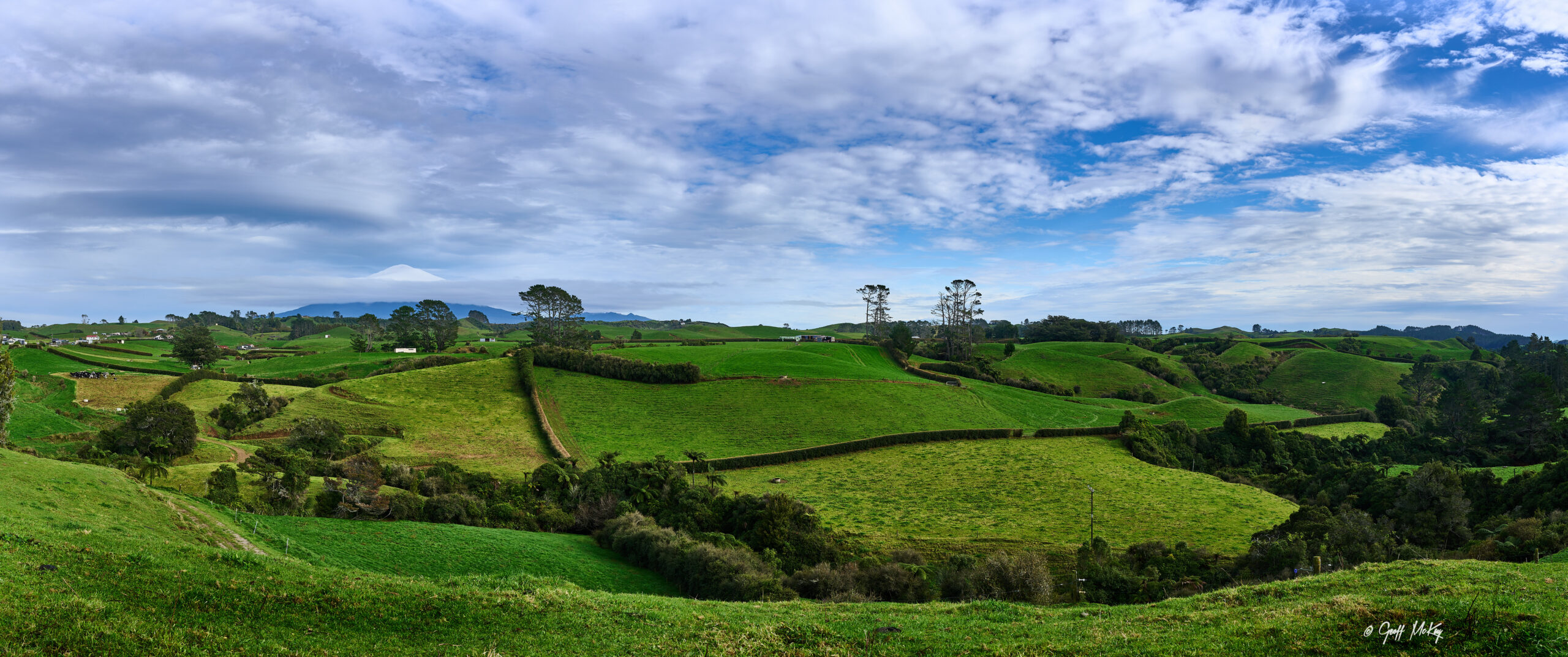
Spring, September to November
Longer days are good for gardens and lower tracks. Pack layers for cool mornings, sunshine and showers. Higher areas can stay cold and snowy, and some ski fields keep operating into spring if snow conditions allow. Check the dates and mountain conditions before travelling. Tourism New Zealand’s seasonal climate guide.
Summer, December to February
Plan beach and lake outings around the longer days. Reserve accommodation or popular activities ahead if your dates are fixed. Take water and sun protection even when the breeze feels cool. Health New Zealand’s sun safety advice.
Autumn, March to May
Early autumn can still suit long days outdoors. Mornings and evenings cool later in the season. Marlborough and Central Otago are options for vineyard stops and autumn colour, whose timing varies each year. Leave weather time if your route crosses mountain passes.
Winter, June to August
Queenstown, Wānaka and the central North Island have snow country. Coastal cities can feel very different. Ice, snow and road closures can affect winter driving. Check road notices, snow-chain requirements and your rental company’s terms, including whether the vehicle can go up a ski road.
Why the two islands feel different
The far north tends to be milder. The South Island’s inland and alpine areas are more likely to have frost, snow and lower temperatures in winter. Rainfall also varies across the West Coast and eastern areas. Use forecasts for each stop if you are crossing several regions.
What to check on the day
Look at the timing and intensity of the rain, the wind near the coast or at elevation, and the UV index even if the sky is cloudy. Read MetService forecasts, check roads with the NZTA Journey Planner and look up DOC alerts for walks. Follow your operator’s decision on cruises, flights and guided outings.
Leave space to change plans
It helps to have an indoor stop or a shorter walk ready on days when an outdoor plan depends on the forecast. We’re Flying Kiwi. If you are planning to rent a car in New Zealand, tell us where you will be driving and whether your route includes winter or mountain roads.
Share this article
Contact
Flying Kiwi
New Zealand destination guides and travel tips
Explore New Zealand