New Zealand travel planning
Driving in New Zealand: road rules for visitors
Keep left, learn how to use roundabouts and one-lane bridges, and leave extra time for winding roads. These are the road rules and habits worth knowing before you collect a rental car in New Zealand.
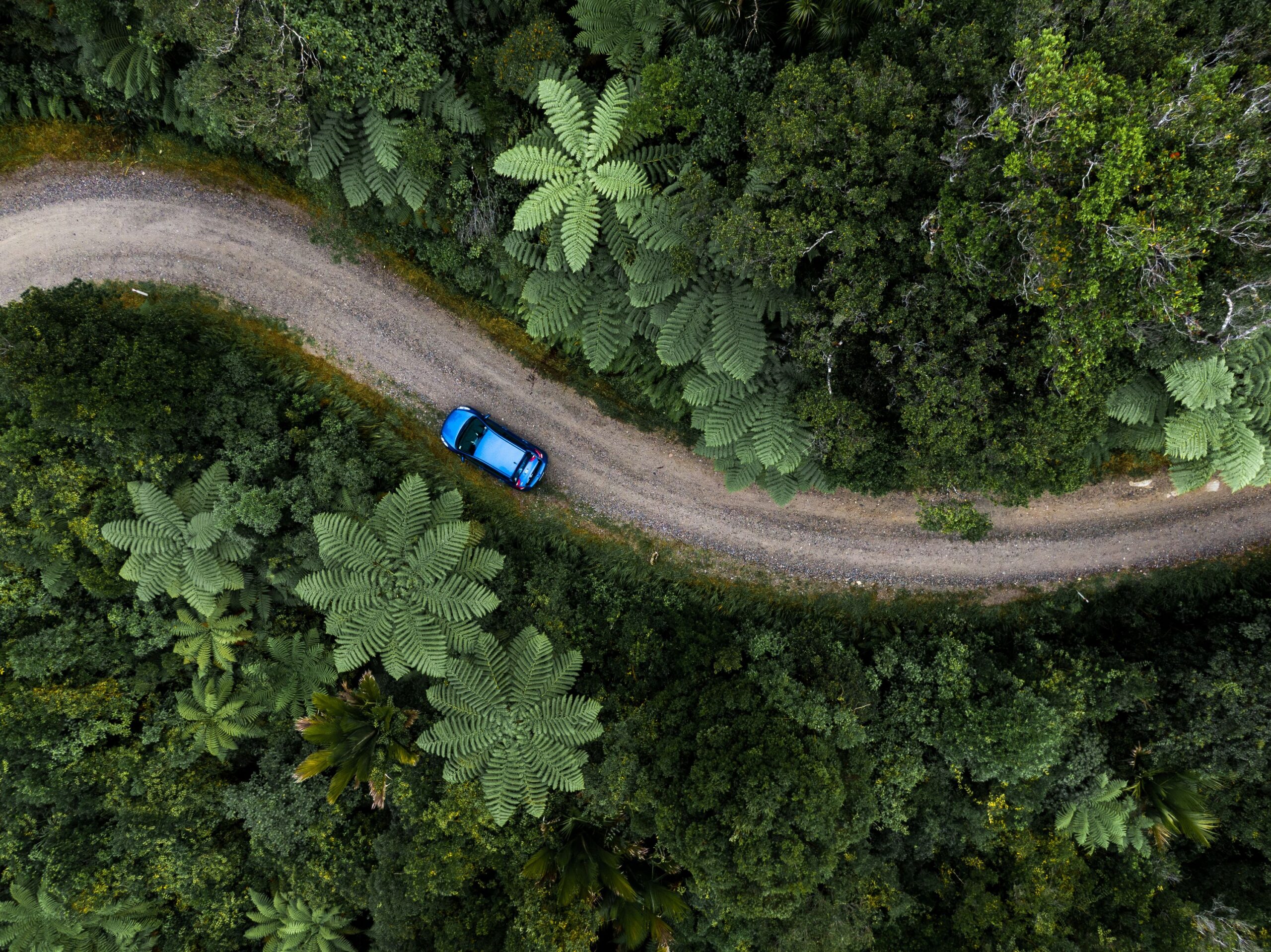
Get used to the car and keep left
Before leaving the rental depot, adjust your seat and mirrors and locate the indicators, wipers, lights and parking brake. The driver’s seat is usually on the right. Once on the road, keep left, including after turns and stops. On bends, stay in your lane. Give yourself time before the first long drive, especially after a long flight.
Read the signs at intersections and crossings
Come to a complete stop at a STOP sign. At a GIVE WAY sign, slow down and stop if necessary to let traffic with priority through. Stop for a red light and follow any signal for your specific turn. When turning or changing lanes, signal for at least three seconds. Read NZTA’s guidance on signalling.
At a pedestrian crossing, slow down and be ready to stop, including when someone is clearly waiting to cross. Give way to people on any part of the crossing if there is no raised island. With a raised island, give way to people on your half of the road. Wait until they have cleared your vehicle’s path, and leave the crossing clear if traffic is backed up. Read NZTA’s pedestrian crossing rules.
Set up for the roundabout before you enter
Follow the lane arrows and give way to traffic from your right that will cross your path. Signal left on approach for the first exit. When going straight through, signal left as you pass the exit before yours. If you are travelling more than halfway around, signal right on approach, then left as you pass the exit before yours. The lane markings matter more than what you remember from the last roundabout. See NZTA’s roundabout diagrams.
Check the limit for your vehicle and the conditions
Speed signs are in kilometres per hour. The posted maximum applies in good conditions, and you may need to slow down on bends, gravel or wet roads. A white sign with a black diagonal stripe marks the open-road limit. Light vehicles towing trailers and most heavy vehicles over 3,500 kg have a maximum open-road speed of 90 km/h. Check NZTA’s speed limits for your vehicle.
Allow room to pass and wait at one-lane bridges
A passing lane is a good place to let slower traffic sort itself out. If you pass elsewhere, stay within the speed limit and make sure you have at least 100 metres of clear road ahead throughout the manoeuvre, including after you finish. Follow no-passing markings. Leave at least 1.5 metres when passing a cyclist, pedestrian, horse or rider travelling in your lane in the same direction. Wait if there is no room to pass safely. Read NZTA’s passing guidance.
At a one-lane bridge, slow down and look for the give-way arrows. A small red arrow for your direction means give way to oncoming traffic. Wait for anyone already crossing to clear the bridge before you enter. See NZTA’s one-lane bridge signs.
Set up the cabin before you drive
Buckle up before leaving. Children under seven need an approved child restraint. A seven-year-old uses an approved restraint if available, or a seat belt if there is none. Check NZTA’s seat belt and child-restraint rules and arrange the right seat with your rental company.
Set navigation before pulling away. Pull over safely if you need to read a message or change your route. Check NZTA’s mobile phone rules.
Leave room in the itinerary for road conditions
A short distance on a map can still take time on a winding road. On a long drive, NZTA suggests a rest about every two hours or 100 kilometres. Stop sooner if you are tired. Check road and weather conditions before setting off, and ask your rental company about chains and restrictions on gravel roads. Read NZTA’s advice on driver fatigue. For an overview of seasonal conditions, see our guide to New Zealand weather and climate.
Sort out the paperwork before pick-up
Each driver needs to meet New Zealand’s licence rules and the rental company’s terms. NZTA’s overseas car licence limit is 18 months from the last arrival if you last arrived before 1 November 2026 and 12 months if you last arrived on or after that date. Carry the valid original and an accepted English translation or qualifying international driving permit if the licence is not in English. Check NZTA’s visitor driving rules.
We’re Flying Kiwi. If you’re planning to rent a car in New Zealand, start with a route you’ll be comfortable driving and ask about your pick-up documents, vehicle and additional drivers before you book. If you’re using a mainland Chinese licence, see our guide to driving in New Zealand with that licence.
Share this article
Contact
Flying Kiwi
New Zealand destination guides and travel tips
Explore New Zealand